

Bengal Kitten Care Guide
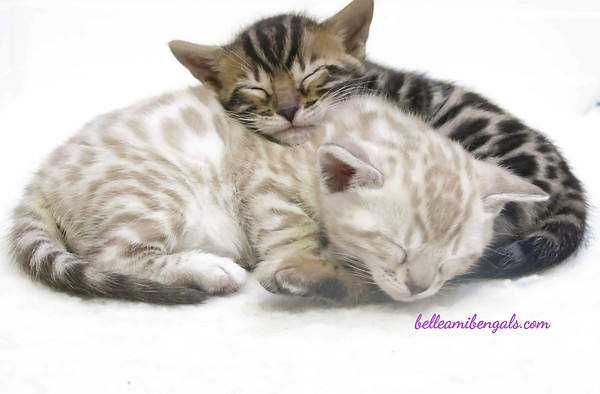
🐾 Tips for the First Night With Your New Bengal Kitten
Set aside a private area with a bed, food, and a litter box for your kitten. It doesn’t have to be a whole room—a quiet corner works perfectly. A cat kennel with a soft blanket can help create a cozy, secure “safe spot” your kitten can retreat to if they feel scared.
Keep your kitten in this area when you’re not able to supervise them. Even though they are already litter box trained, young kittens can forget where the box is if they wander too far and can’t see it yet.
If you have a large home, I highly recommend temporarily placing a few small litter boxes around the house (even the inexpensive $2 ones). This is especially helpful if your kitten is following you from room to room or if you have multiple floors. Within a few months, your kitten will learn where their main box is, and you can go back to just one.
Avoid overwhelming your kitten the first night with too many visitors. They are already adjusting to a new environment and may miss their mom and littermates. It’s completely normal for kittens to cry for a few days—just comfort them and reassure them that they are safe and loved.
🐾 Spending Time With Your Bengal Kitten
Even though your kitten has already been socialized to people, they now need to be socialized to you and their new home.
The first few weeks are extremely important when it comes to bonding. This is the time for cuddling, holding, gentle play, and talking to your kitten. When handled properly, your kitten will associate these happy experiences with you and will bond closely with you for life.
One important thing to be mindful of at this age is not letting your kitten associate your hands with toys. This can lead to bad habits like scratching and biting fingers. Hands should always be used for holding, petting, and comfort, while toys should be used for play.
-
Hands = affection
-
Toys = play
🐾 Kitten Proofing Your Home
Bengal kittens are extremely curious and love to explore everything.
Be mindful of:
-
Blind cords
-
Electrical cords
-
Toxic houseplants
-
Small objects they could swallow
They can also climb curtains and scratch furniture with their sharp little claws, so a little kitten-proofing goes a long way in preventing damage and keeping them safe.
🐾 Feeding Your Bengal Kitten
Feeding your Bengal kitten the right diet is one of the most important parts of raising a healthy, happy cat. Kittens grow quickly and have high energy levels, so they need a diet that is rich in high-quality protein and calories to properly support their development.
We recommend feeding a premium kitten or all life stages kibble with real meat as the first ingredient, along with high-quality wet food at least once daily. Wet food is especially important because it helps keep your kitten properly hydrated, which supports kidney and urinary health as they grow.
Kittens typically prefer to graze throughout the day rather than eat large meals at once, so it’s best to keep dry food available at all times while offering wet food on a daily schedule.
Avoid low-quality foods that contain fillers like corn, wheat, or by-products, as these do not provide the same level of nutrition your kitten needs during this important stage of life.
If you would like a more detailed breakdown of exactly what to feed, what to avoid, and why it matters, you can read our complete guide on feeding your Bengal cat.
Do's and Don'ts When Feeding Bengal Cats and Kittens
-
Don't feed your kitten dog food. Cats require taurine, which is not contained in dog food. Without it, they can develop heart disease or go blind.
-
Don't feed your kitten table scraps, nor supplement his diet with milk (causes indigestion and diarrhea). You will encourage begging habits, and your kitten will fill up on foods that don't contain the nutrients he needs.
-
Don't feed your kitten liver, canned tuna, or other canned fish intended for humans. These foods can create an imbalance of vitamins A, D, and E, which can lead to serious conditions.
-
Do feed your kitten a well-balanced premium food specifically designed for kittens. These youngsters need more protein for building strong bones and muscles, and more calories to keep up with their high energy levels than older cats.
🐾 Bengal Kitten Supplies Checklist
Make sure you have these essentials ready:
-
High-protein dry food
-
High-quality wet food
-
Water bowls or fountain
-
Litter box & scoop
-
Quality litter
-
Cat toys
-
Scratching posts
-
Cat tree (if space allows)
-
Cozy bed (optional)
-
Collar with ID tag
Want to see exactly what we personally use and recommend? Check out our favorite Bengal products page.
🐾 Claw Trimming & Nail Care
To trim your kitten’s claws, gently push on each toe to extend the nail and carefully trim off just the sharp tip.
It’s very important not to cut too far back, as there is a vein inside the nail (called the quick) that will bleed and cause pain if cut. This vein can be hard to see in kittens, so always trim less rather than more.
Claw trimming should never turn into a battle. If your kitten is not cooperating, it’s completely fine to only trim a few nails at a time.
I personally find that infant nail clippers work best.
🐾 Scratching Posts & Training
To prevent your kitten from scratching furniture, you should have at least two scratching posts. I like to have one upright and one that is flat or slightly angled.
Place them in the most active areas of your home since that’s where your kitten will spend the most time.
You can sprinkle catnip or use catnip spray on the posts to attract your kitten to them.
If you catch your kitten scratching furniture, clap your hands or say “No!” to startle them and redirect them to the scratching post. Squirt bottles can also be effective if needed.
🐾 Litter Box Training Tips
If you have a two-story home, it’s a good idea to have a litter box on each floor while your kitten is young.
When you first bring your kitten home, having one main litter box plus 1–2 small, inexpensive ones placed around the house can really help prevent accidents. If your kitten can’t see their box, they are much more likely to find a corner instead.
As your kitten grows and becomes more familiar with your home, you can slowly remove the extra boxes. I was always down to one main box by around 13 weeks old.
We use non-clumping litter for very young kittens in case they ingest it. After about 9 weeks old, this usually isn’t an issue anymore.
Make sure to scoop the litter box often. Bengals do not like a dirty litter box.
If you already have another cat, do not make them share a box right away. Once they are comfortable with each other, they can share.
🐾 What If Your Bengal Kitten Isn’t Eating?
Sometimes, the stress from leaving their mom and siblings can cause a kitten to not want to eat when they first arrive at their new home. Even if they are playing, purring, and seem happy, they can still be stressed from the change.
The best thing you can do to encourage eating is to offer wet food a few hours after you get them home. If you warm it up just slightly, it will make it smell stronger and more appealing.
I recommend feeding wet food daily for at least the first couple of weeks to make sure your kitten is eating well.
This is also a great way to bond with your kitten. Sit with them while they eat, pet them, and talk to them. They will start to associate you with something they love. And don’t be surprised if you hear some funny noises while they eat—it’s a Bengal thing!
🐾 Treats for Bengal Cats and Kittens
Please keep in mind that most human food is not good for your Bengal.
Chicken is usually their favorite. You can boil chicken and give them small pieces, and they will absolutely love it.
If you want to give treats, stick with:
-
Cooked chicken
-
Wet cat food
-
High-quality cat treats
Deli turkey can also be used occasionally since it usually has minimal seasoning, but it’s best not to overdo it.
We like to make our kittens “work” for treats by doing something simple like a high five or another small trick. It’s a fun way to interact with them and keeps their minds engaged.
🐾 Tips for Teething Bengal Kittens
Your kitten will go through teething off and on until around 8 months old. During this time, they need appropriate things to chew on.
We use a variety of toys, small stuffed animals, and even simple things like plastic drinking straws. Keep a few options in each room so you can quickly redirect them when needed.
If your kitten starts biting, even during play, immediately give them a toy instead.
If you have a kitten that continues to bite, you can correct the behavior by gently scruffing them (grabbing a small amount of loose skin at the back of their neck), saying “No” firmly, holding for a few seconds, and then setting them down and ignoring them briefly. This mimics how their mother would correct them.
This method is best used by adults or older children and should always be done calmly and gently.
🐾 New Bengal Kitten Crying a Lot
Your new kitten might cry during the first few nights. It usually won’t be constant, but it’s completely normal.
They are in a new environment and missing their mom and siblings, so this is to be expected.
Comfort them, talk to them in a soothing voice, and reassure them that everything is okay. Avoid yelling, as that can increase their stress.
This is actually a great bonding time. Your kitten will begin to see you as their new source of comfort and security.
🐾 Toys for Bengal Kittens
Make sure to choose toys that are safe and appropriate for your kitten.
Avoid anything that is small enough to be swallowed, and always supervise toys that have long strings.
Some Bengal kittens can become very possessive over certain toys, especially feather toys or crinkle toys. They may growl if someone gets too close. This can sound intense, but it’s usually just part of their play behavior.
I’ve never had a kitten bite while guarding a toy—just growl. Many of them actually enjoy playing tug of war while making these sounds.
If you have small children, just make sure they know not to try to take a toy directly out of the kitten’s mouth, just to be safe.
Most kittens grow out of this quickly, and some never do it at all. It’s actually pretty funny once you realize what’s going on.
🐾 Leash Training Bengal Cats
If you plan to take your Bengal outside on a leash, start by using a proper walking vest or harness.
Begin by letting them wear it inside the house so they can get used to the feeling. Once they are comfortable, attach the leash and encourage them to walk around indoors.
After they are fully comfortable, you can start taking them outside in a safe, secure area like your backyard.
Always carry your cat when going out the door and when coming back inside. Never allow them to walk in or out on their own. This helps prevent them from developing the habit of trying to run out the door.
Keep in mind that once some Bengals experience being outside, they can become very interested in it. Some will constantly try to go out after that.
Never allow your cat outside unsupervised. Catios and enclosed outdoor spaces are a great alternative.
🐾 Virus Prevention for Cats
For the first few weeks, do not take your kitten to public places, pet stores, or around any cats that are not part of your household.
Your kitten needs to complete their vaccine series before being exposed to potential illnesses. Even after their last shot, it’s best to wait about 2–3 additional weeks to allow the vaccines to fully take effect.
When visiting the vet, do not allow staff to pass your kitten around. You don’t know what other animals they may have handled before you arrived.
Make sure exam tables are wiped down before your kitten is placed on them, and do not allow your kitten to touch the floor.
Once your kitten is fully vaccinated and protected, you can be more relaxed about exposure.
🐾 How to Prevent Bad Kitten Behavior
If your kitten is doing something they shouldn’t, you can correct the behavior by saying “No” loudly and clapping your hands to startle them.
A spray bottle with water can also be used if needed.
If you feed your Bengal from your plate, you should expect them to jump on counters and try to steal food. I personally never feed my cats from my plate, and I don’t have issues with this behavior.
Also, be careful when thawing meat. Some cats won’t bother it, but others will drag it right out of the sink. It’s best to keep food out of reach just in case.
🐾 Bengal Kitten Sounds
Bengals are known for making a variety of unique and sometimes funny sounds.
It’s very common, especially in kittens, for them to make noises while eating or using the litter box. One of the sounds you may hear while they are eating can sound like “yum, yum, yum.”
These sounds are completely normal and just part of their personality.

🐾 Taking Your Kitten to the Vet
Don’t forget to take your kitten in for regular check-ups.
At the same time, it’s important to avoid over-vaccinating, especially if your cat will be strictly indoors.
If your cat ever needs surgery we have some tips for surgery and recovery here.
🐾 Holistic Vet Care for Bengal Cats
Some Bengal owners choose to incorporate a more holistic approach when it comes to their cat’s health and wellness—especially if they felt uncomfortable with how their kitten’s first vet visit went, such as being pushed toward vaccines or treatments they didn’t feel were necessary (like a leukemia vaccine for a strictly indoor cat).
This doesn’t mean replacing traditional veterinary care, but rather taking a more thoughtful and balanced approach by supporting your cat’s overall health in a natural, preventative way while still using conventional medicine when it’s truly needed.
Holistic vet care focuses on strengthening your cat’s immune system, improving gut health, and reducing exposure to unnecessary chemicals whenever possible. This can be especially helpful for Bengals, as they tend to be very sensitive and benefit from a clean, well-balanced lifestyle.
This approach may include things like:
-
High-quality, species-appropriate nutrition
-
Probiotics to support digestion and immune health
-
Minimizing unnecessary medications when appropriate
-
Using gentler, non-toxic cleaning products in your home
-
Reducing stress and supporting a calm environment
Some holistic veterinarians may also incorporate alternative therapies such as herbal support, nutritional therapy, or other natural methods alongside traditional treatments.
That being said, it’s important to always use common sense and work with a veterinarian you trust. There are times when conventional medicine is absolutely necessary, and having a good vet who understands both approaches can make a big difference.
Every cat is different, and what works best will depend on your individual kitten. The goal is simply to support their health in the most balanced and thoughtful way possible.
We've heard great things about Vet Naturally and Natural Pet Care in Southern Louisiana.
🐾 Final Thoughts on Raising a Bengal Kitten
Bringing home a Bengal kitten is an exciting experience, and the way you care for them in the beginning will shape the cat they become.
Focus on giving them:
-
Proper nutrition
-
Plenty of attention and bonding time
-
Consistent training and boundaries
-
A safe and stimulating environment
Bengals are incredibly intelligent, playful, and affectionate cats. When raised properly, they form very strong bonds with their families and bring so much personality into your home.
If you take the time to guide them during these early months, you’ll end up with an amazing companion that truly feels like part of the family
If you are doing research first and haven't purchased a kitten yet, we would love to help you find your perfect bengal kitten! We have even more information on how to care for Bengal kittens to share with our clients.